We use cookies to improve your website experience and to gain insights into our websites' users, traffic and traffic providers to make it even better. You consent to our cookies if you continue to use our website.
Overview
RA-KDP: An Integrated Knowledge Base and Molecular Docking Platform for Rheumatoid Arthritis
RA-KDP brings together curated disease-oriented targets, structured protein records, and docking workflows in one research setting, allowing users to move from target understanding to computational investigation without leaving the same scholarly environment.
Knowledge Base
A rheumatoid arthritis-oriented knowledge layer for target interpretation
Thus knowledge base is built specifically for rheumatoid arthritis (RA) target interpretation.
Based on RA therapeutic drugs and RA-related evidence from the literature, we applied a three-round screening strategy to curate 64 platform-ready human targets covering four major functional categories.
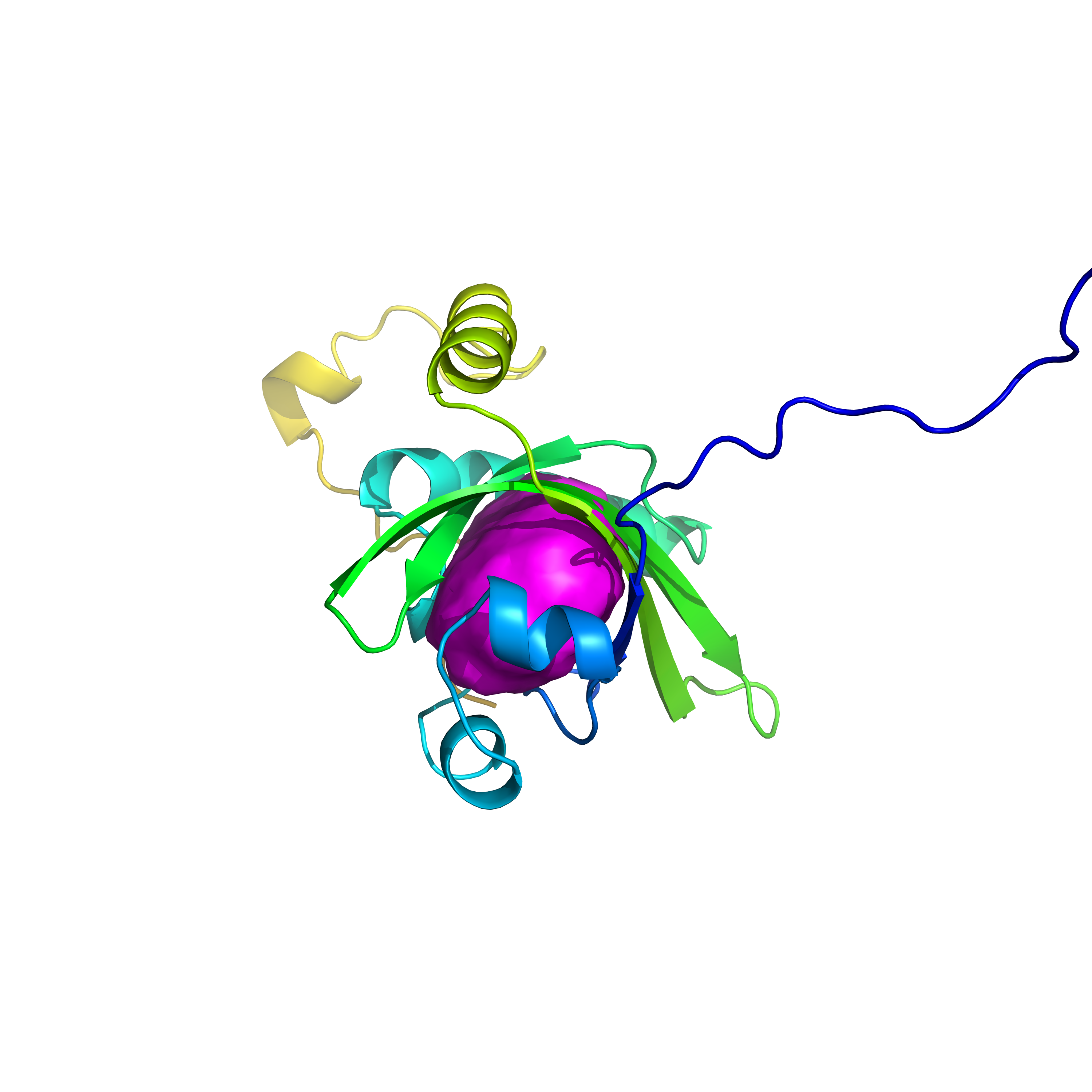
Before docking or downstream analysis, users can explore protein records, associated small-molecule ligands, and PyMOL-derived structural views that support interpretable target assessment.
RA TARGET FILTERING
RA-oriented target selection
The database does not begin from generic protein collections. It starts from targets linked to approved RA drugs and evidence from RA-related publications, then narrows them through three rounds of screening. The resulting 64 targets provide a focused and usable RA-oriented set for platform analysis.
STRUCTURED RECORD VIEW
Structure-guided record interpretation
Each protein entry is presented as a structured knowledge record. Users can review selected proteins, associated small-molecule ligands, and PyMOL-generated visualizations, with particular attention to the spatial 2D snapshot of the protein and its binding target state. Detailed record pages further provide annotations, structural references, external resources, and downloadable models for deeper exploration.
Selected records
Featured protein cards
A small set of cards is shown below as examples of how the knowledge base surfaces interpretable records for later exploration.
Molecular Docking for Target-Guided Drug Screening
This docking module enables researchers to submit compound SMILES,
evaluate binding against selected protein targets,
and prioritize candidate drugs through quantitative docking scores and visual analysis.
FLEXIBLE TARGET SELECTION
Dock across supported protein targets
Select any number of platform-supported pre-screened protein targets for molecular docking and compare docking scores across multiple targets within a single workflow.
ONLINE SCORE ANALYSIS
Interpret docking results with ease
Analyze docking score data online through a clear and structured interface, helping users understand key results without being overwhelmed by complex output.
Research value
This platform supports flexible multi-target docking across platform-supported pre-screened proteins and offers online analysis of docking scores,
helping users identify promising compounds and interpret key results with greater ease.